Optimal Timing for Foundation Repairs
Foundation repairs are a critical aspect of maintaining structural integrity and ensuring safety. The timing of repairs can influence their effectiveness and longevity. Understanding seasonal and environmental factors helps determine the optimal period for addressing foundation issues.
Spring offers moderate weather conditions, making it suitable for foundation repairs. Soil is typically moist but not overly saturated, which facilitates effective repair work.
Summer provides warm, dry weather, ideal for many repair processes. However, extreme heat can sometimes cause soil to contract, potentially affecting repair outcomes.
Fall features cooler temperatures and less humidity, reducing the risk of soil movement. This season often allows for thorough repairs before winter sets in.
Winter is generally less favorable due to freezing temperatures and potential snow or ice. These conditions can hinder repair work and affect soil stability.

Visual assessment of foundation cracks and settling signs.

Methods to improve soil support around foundations.

Restoring structural support with piers and beams.
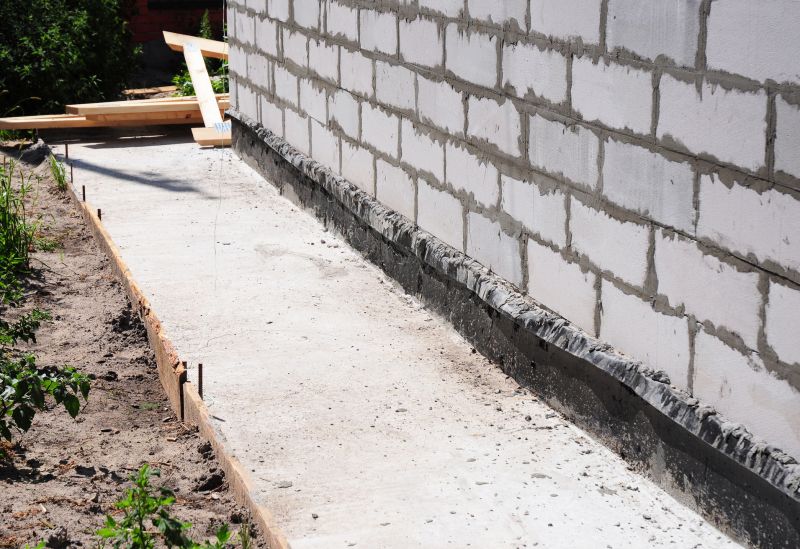
Replacing damaged concrete sections for stability.

Implementing proper drainage to prevent water damage.

Addressing water pressure issues causing foundation movement.

Sealing and reinforcing foundation cracks.
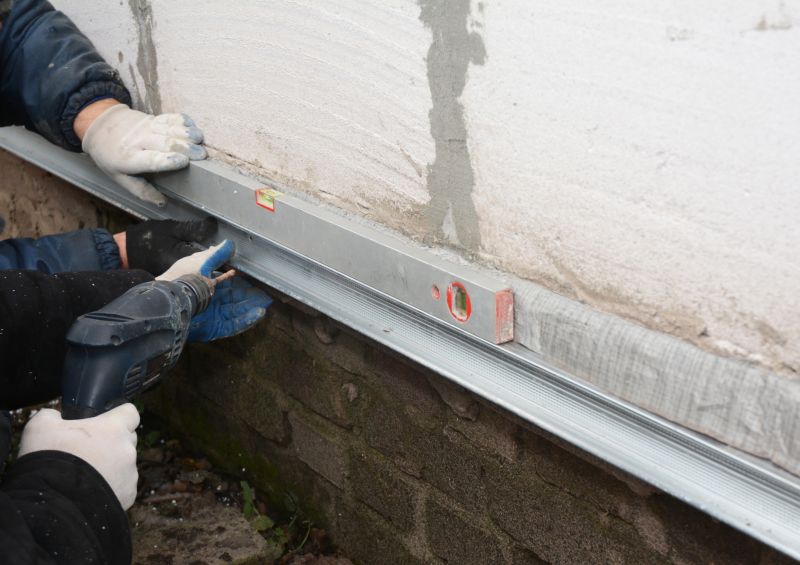
Strengthening foundations with underpinning methods.
| Season | Ideal for Foundation Repairs |
|---|---|
| Spring | Yes, due to moderate weather and soil conditions. |
| Summer | Generally suitable, but avoid extreme heat. |
| Fall | Optimal, with cooler temperatures and stable soil. |
| Winter | Not recommended due to freezing temperatures. |
Foundation repairs involve various techniques to correct settling, cracking, and shifting of a building's foundation. Proper timing ensures that repairs are effective and durable. Seasonal factors such as soil moisture, temperature, and weather conditions play a significant role in the success of repair projects.
Statistics indicate that addressing foundation issues early can prevent costly structural damages. Regular inspections and timely repairs contribute to the long-term stability of a property. Consulting with foundation specialists can help determine the most appropriate time for repairs based on local climate and soil conditions.
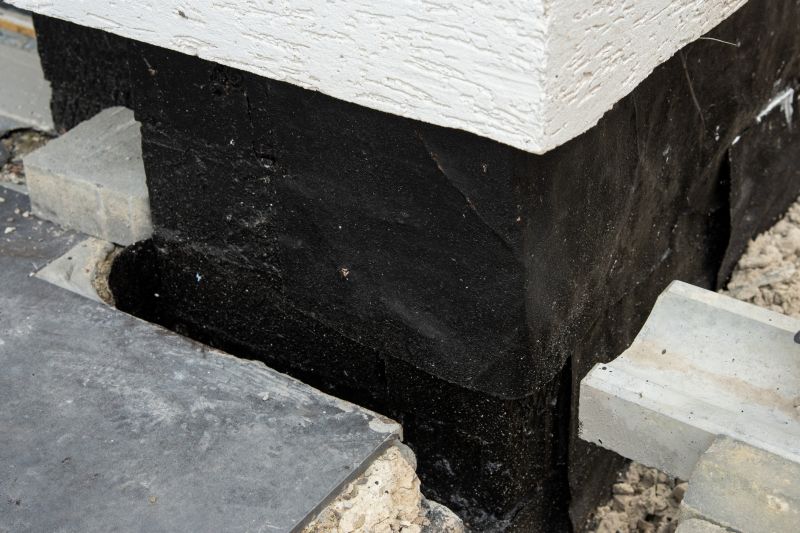
Step-by-step approach to stabilizing a foundation.
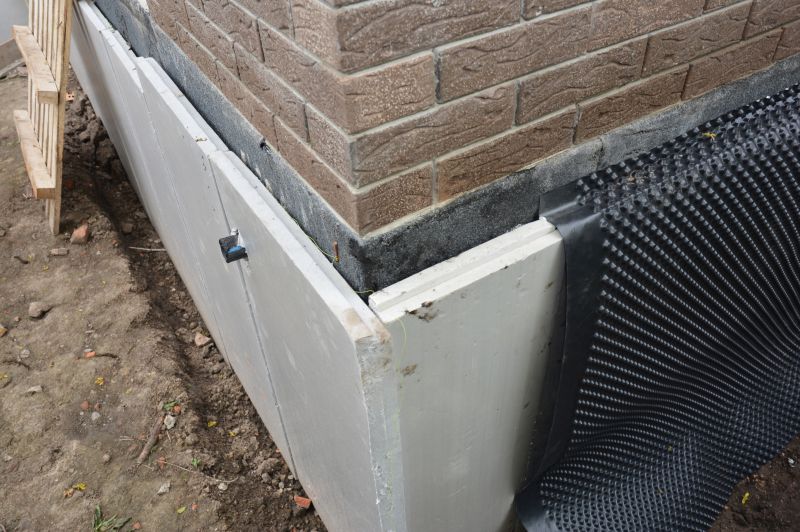
Evaluating soil type and moisture levels.
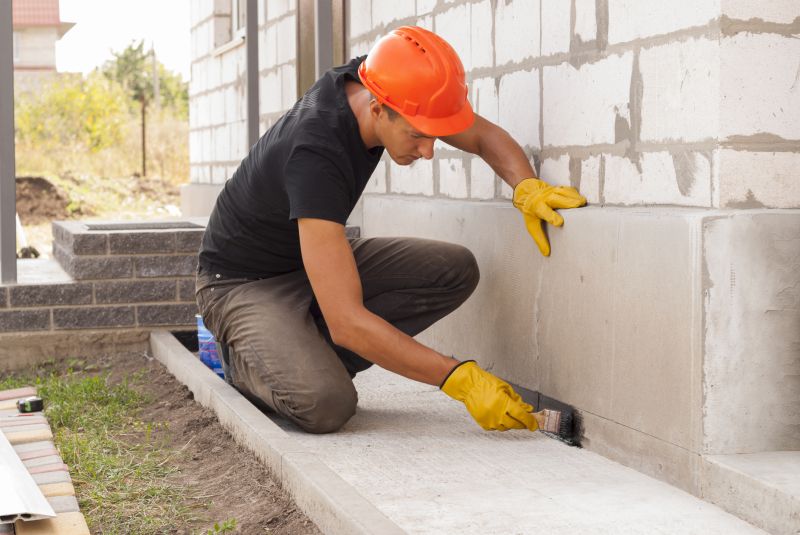
Sealing foundation cracks to prevent water intrusion.
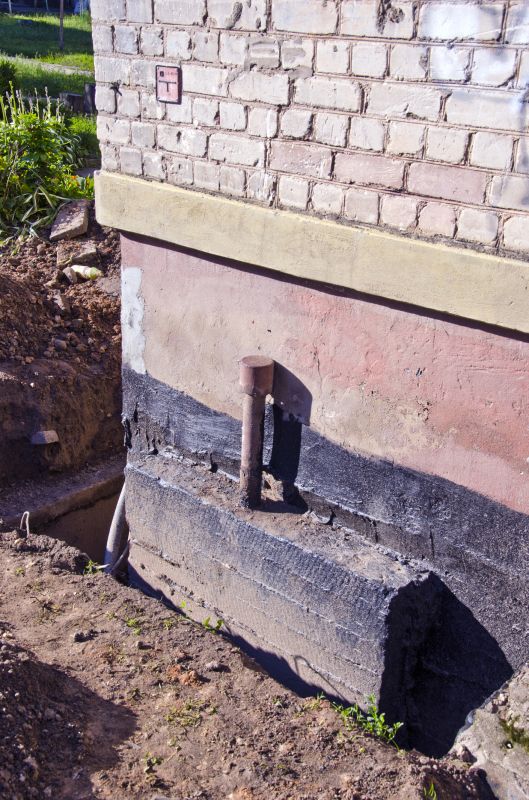
Ensuring stability and durability after repairs.
For property owners considering foundation repairs, it is advisable to schedule inspections during favorable weather conditions. Early intervention can help maintain structural integrity and avoid extensive future repairs. Contact a foundation specialist to discuss the best timing and options for specific needs.